
Copyright 2025 by Michael Auld
The Queen Conch was an indispensable sacred instrument as well as adornment, and food sources used by the ancient Caribbean and Central American cultures.

Aztec Conch Trumpeter (quiquizoani), Codex Magliabecchi
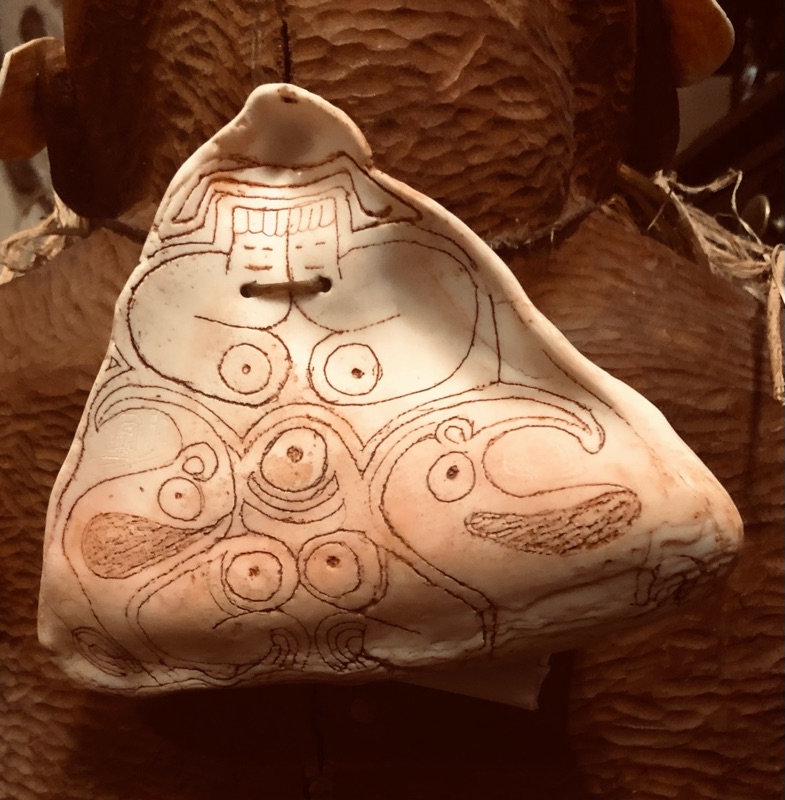
Above: The author’s incised pink Queen conch shell pendant for the Anacaona sculpture, found on a Bull Bay beach in Jamaica naturally shaped in that triangular thre-pointed shape of a sacred “cemi” icon.
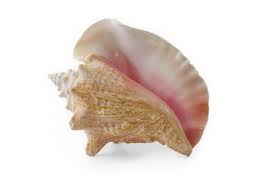
Above: A pink Queen Conch shell used by the Caribbean’s Taino and Kalinago (Carib) people for obtaining pink pearls, meat, adornment jewelry, and the Guamo trumpet.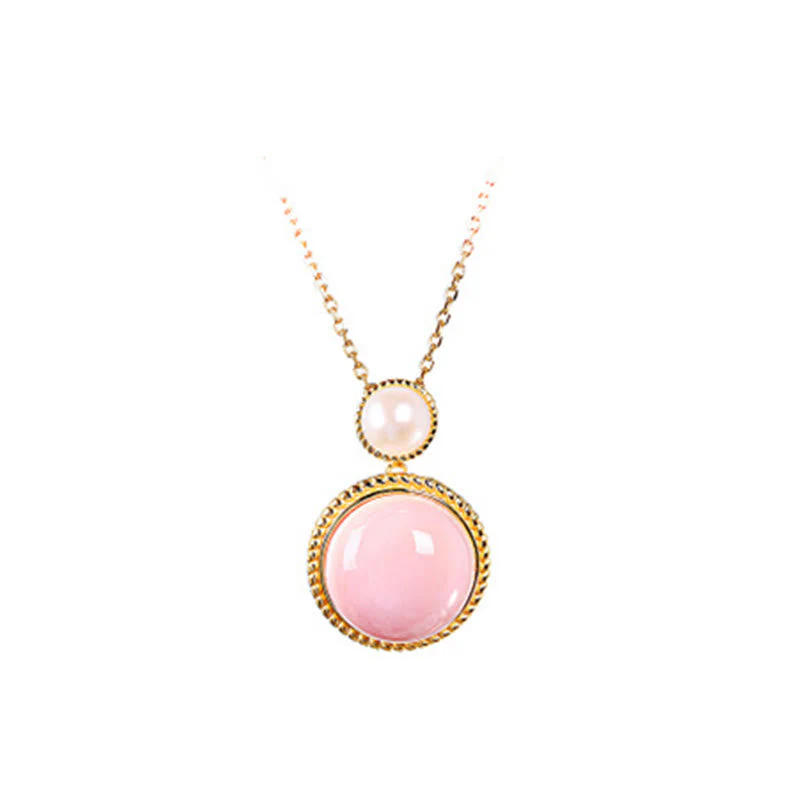
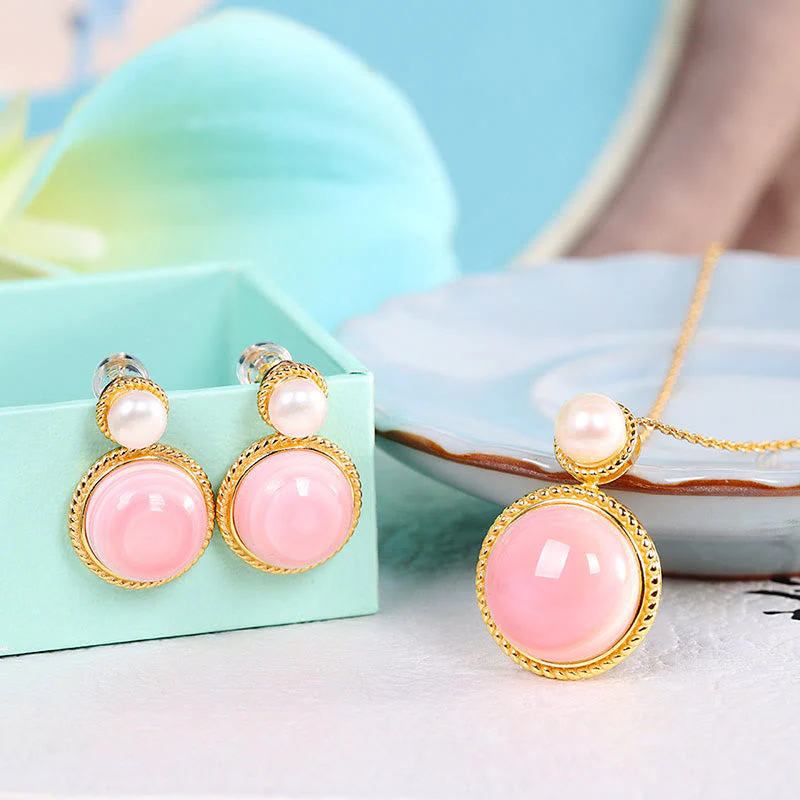
Above: Contemporary Pink Queen conch pearl jewelry.
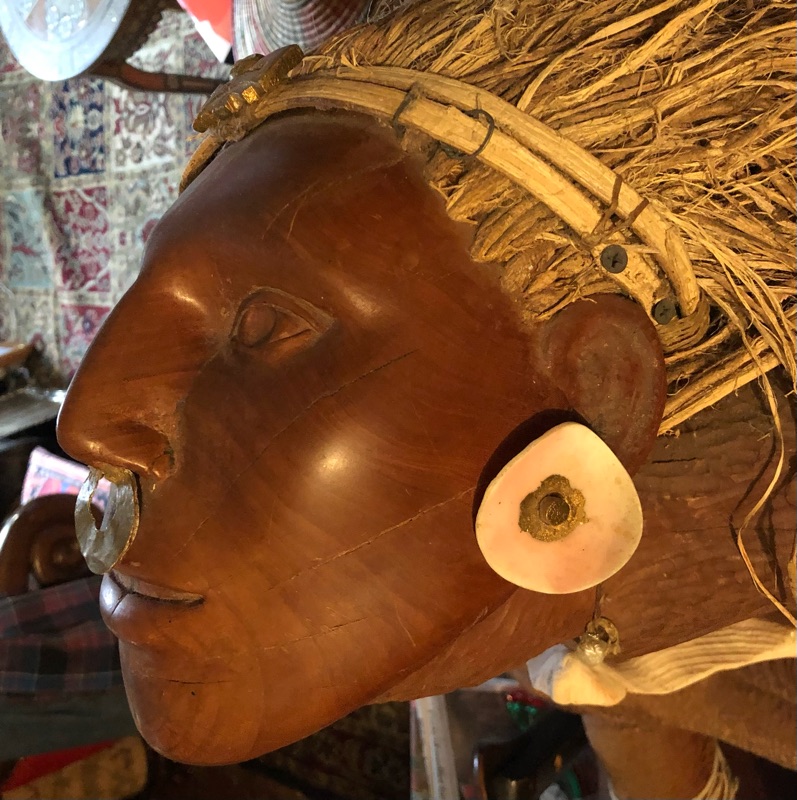
Above: The author’s “Anacaona” cherry wood sculpture with a conch shell earring.
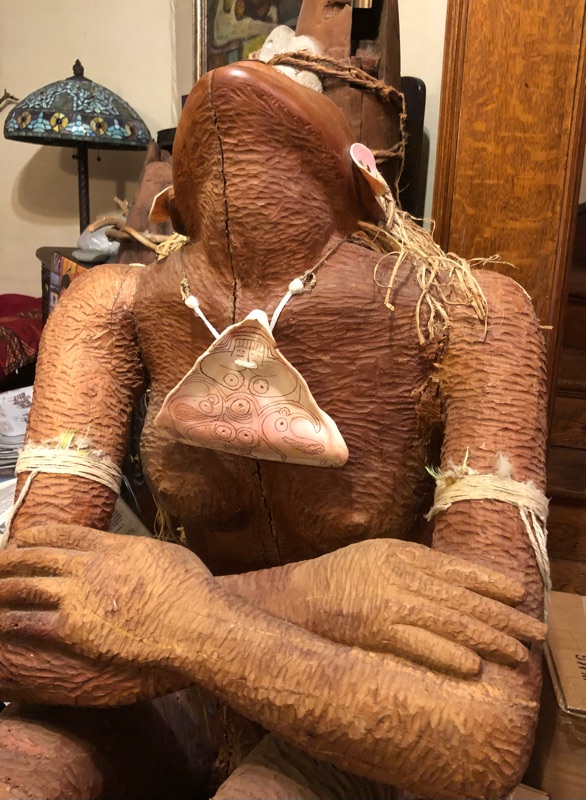
Above: The “Anacaona” sculpture with conch shell adornments.
The Guamo is a sacred conch trumpet used in Taino spiritual events. Blown to the Four Sacred Directions upon initiating a religious event, the shell and pink pearls were cherished adornments.
“Conches are large sea snails. True conches are from the family Strombidae, but there are a number of other large marine snails which are also colloquially called conches including horse conches (Fasciolariidae), crown conches (Melongenidae), and the “sacred chank” (a member of the Turbinellidae family)
The magnificent big pink queen conch (Lobatus gigas) from the Caribbean was used as a trumpet by the Carib, the Arawak and Taíno peoples. In India, the shell of the big predatory sea snail, Turbinella pyrum has long been crafted into the shankha, a religious musical instrument emblematic of the Hindu preserver god Vishnu.”—Wordpress.com
THE JAMAICAN MAROONS
The Taíno guámo (conch shell trumpet) heavily influenced Jamaican Maroons by becoming their key signaling device, the Abeng, used for communication, calling meetings, warning of danger, and even conveying individual messages, blending Taíno indigenous practices with African resistance, demonstrating deep cultural continuity and adaptation within Maroon communities for survival and organization.—AI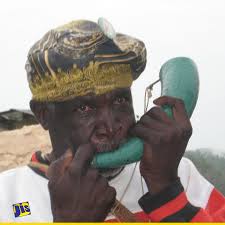 Above: A Jamaican Maroon using the Aneng made from a cow's horn. The instrument was used for both ceremony and communication against the arriving Brirish from their retreats to which enslaved Africans had fled from the sugarcane plantations, and welcomed by the Yamaye Taíno who showed the newcommers how to survive in an alien land. The Yamaye were called Cimarrones, a term meaning "Wild High Mountain" Taínos who had removed themselves from te invading Spanish cattle and horse ranches where their enslaved labor was used. Taíno gold was forcably stolen by the attacking European Iberian's who resorted to a tribute system. The system was enforced by cutting off the hands of every adult Taíno over the age of 14, if they did not deliver a set amount of gold dust every three months.
Jamaica did not have as much gold as Cuba (Cubanakan), "Hispaniola" (a.k.a. Haiti & the Dominican Republic, or Ayti Bohio or Kiskeya), and Puerto Rico (Boriquen), so the Spanish in Jamaica resorted to cattle and horse ranches used in the invasion of Central and South America. Interestingly, the Spanish found the panning for gold technique used by the Taíno civilization, who had a coper and gold alloy called guanin, while caona was pure gold. Guanin may have been traded from mainland South America up the Caribbean's chain of islands. Guanin played an important role in the Taíno myth of twin islands of Matinino (the Island of Women) and Guanin (the Island of 14k gold), which eventually influenced the naming of "La California", a Taíno influenced Spanish novelist's tale of a mountainous island of La California, ruled by Amazons' Queen Califia, and whose warriors only had weapons of gold. The name was given to that United State by Hernan Cortez from his seeing the California mountans in Baja California in 1535, and who was very fameliar with Garci Rodriguez de Montalvo's 1510 novel. The work was based on friar Ramón Pané (Pan-aye) recording of the Taíno's Travels of Guahayona to Matinino and Guanin story, while he was in Hispaniola, and whose manuscript was sent back to Spain. (See my blog on La California: http://yamaye-mike.blogspot.com/2018/07/taino-origins-influence-on-naming-of.html)


No comments:
Post a Comment