
Copyright 2025 by Michael Auld
Stories are one of the most important gifts to humanity. We cannot exist without the storyteller. As a child growing up in Jamaica we swapped Anansi Stories called “Anansesem” in Ghana where his Asanti exploits were transported to the Americas. How this happened is itself my folkloric comic strip turned into a graphic novel.
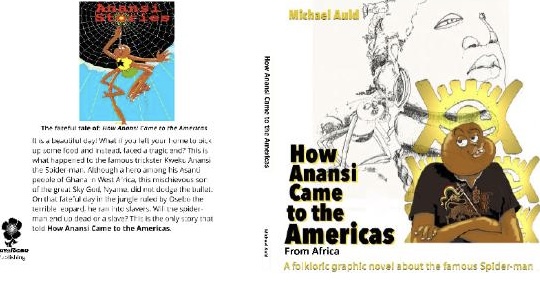
No punches pulled, this graphic novel tells the truth about slavery in which Anansi got caught up. You can see an introduction on my website at http://anansistories.com/How_Anansi_Came_book.html.
But why spider stories?
It turns out that folkloric spiders are found in many cultures often associated with the Creation of the Universe. Although one spider-woman, the Greek’s Arachne is associated with arachnophobia, a fear of arachnids.
Yet, there are enthusiastic spider lovers.
ABOUT ANANSI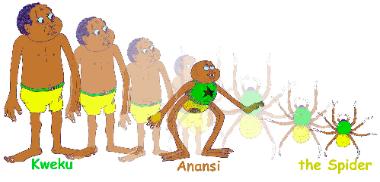
According to Akan storytellers in Ghana, Kwaku Anansi, was born on his day-name for Wednesday. He was once a man, turned into a spider for an infraction against his father, N’yame the Great Sky God. His mother was Asase Ya, the Earth Goddess. His having a web, philosophically, like the Amerindian hammock made him a creature existing between Heaven and Earth. Small in statue but big on brains as the spider-man he had to use his brainpower to outsmart larger brings. So, children naturally identified with Anansi. Since his stories may seem to ridicule a listener, the storyteller had to make a disclaimer, such as, “This is just a story. I’m not pointing out anyone in particular!”
HIS SON TICKY-TICKY
My other novel is about his youngest son, Intikuma, whom I named Ticky-Ticky after the small guppy fish in Jamaica’s sugarcane plantations. They were placed there to keep down mosquitoe larvae.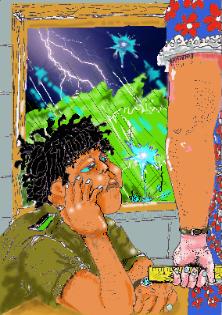
Above: Ticky-Ticky’s classroom distraction causes him to be forced to bring his missing father, Anansi into school before he is expelled.So, his adventure begins.
How to get these books as a holiday present!
(1) How Anansi Came to the Americas from Africa https://a.co/d/btoX9qA
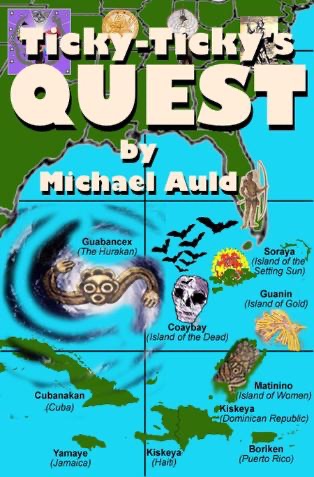
(2) Ticky-Ticky’s QUEST Go on an adventure in search for Anansi in the Caribbean’s Taino Island of the Afterlife, then to Haiti’s folkloric icons, Ti Malice and Uncle Bouki, then to the Island of Women and one of Gold. https://a.co/d/h152lw5
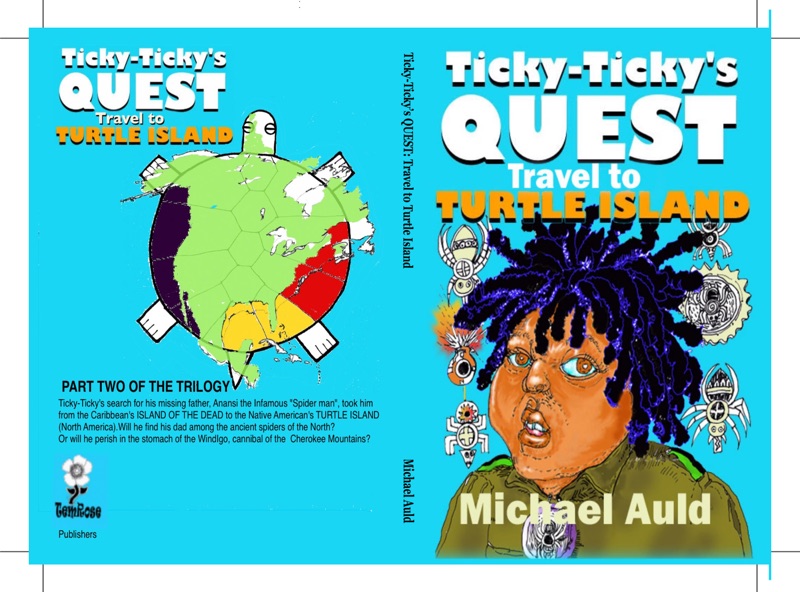
Above: Then off to Bimini. The soon to be published Part 2&3 is a continued combined tale where the hero travels to Turtle Island (North America) then a time travel to ancient Mexico’s Teotihuakan civilization.
FROM STRIP TO GRAPHIC NOVEL
My success with converting a Anansesem comic strip into a graphic novel has encouraged me to do the same with other stories.
This story introduces Anansi’s son, his friends and the reader to an early Ghanaian history at the arrival of Europeans who allied themselves with the Denkyera neighbor. The narrative follow young Osei Tutu’s exploits, an escape, and his alliance with Anoychye, the precut m most
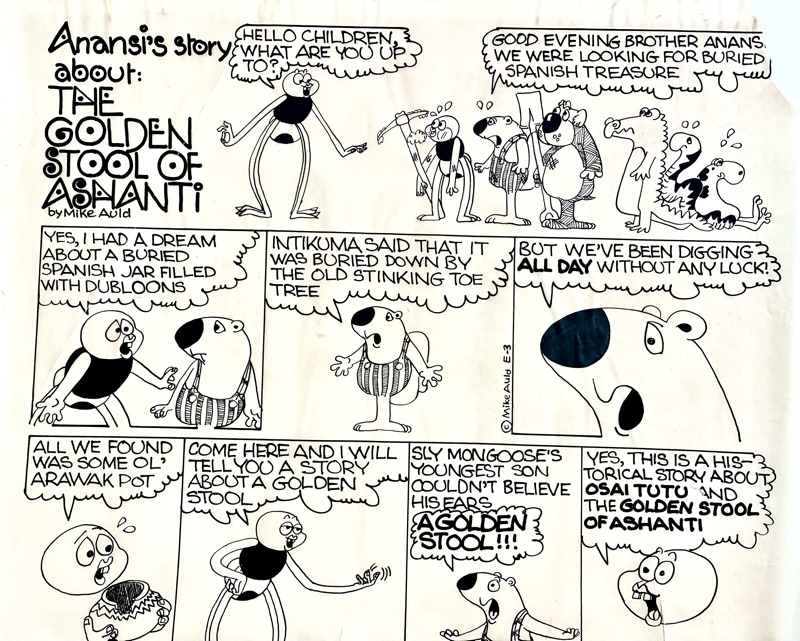
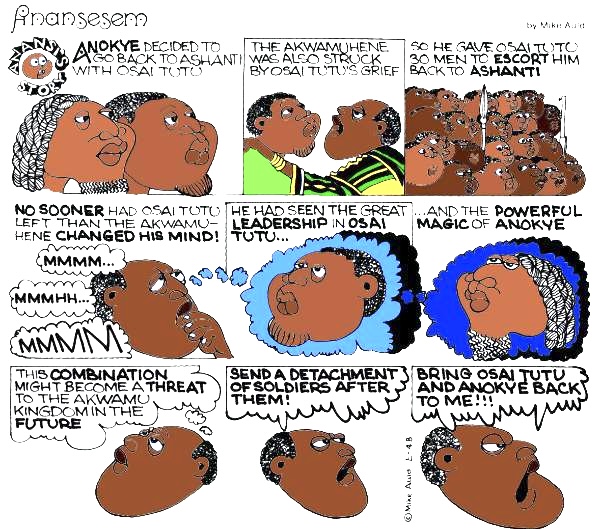
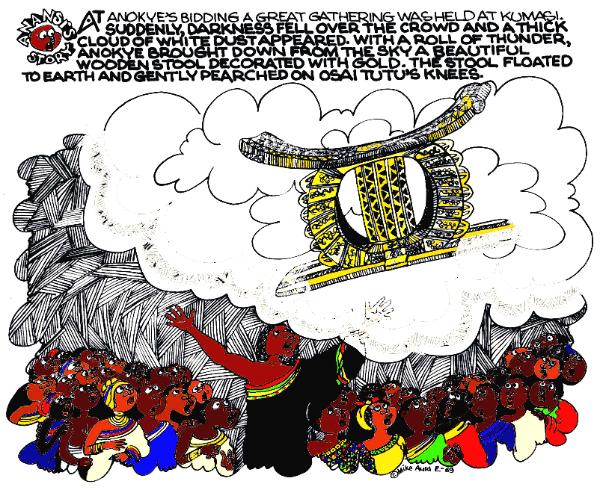

Above: As the first Asantihene or ruler and the founder of the Asanti Confederacy, Osei Tutu magically became the Devine anointed ruler of the Asanti, when a golden stool mysteriously floated down and perched on his knees, in the colorized panel below.
Story number one was the first Anansesem, an old tongue in cheek tale about survival.

After all these years, Anansi is still with us!
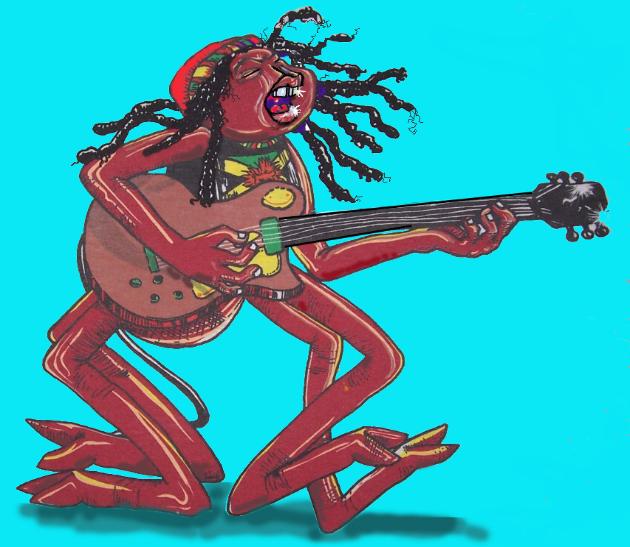
“One Heart, One Love, let’s get together and make everything alright!” Click on Bob ‘s YouTube song:https://youtu.be/IN0KkGeEURw?si=lDde72Nh2B8A3QTo


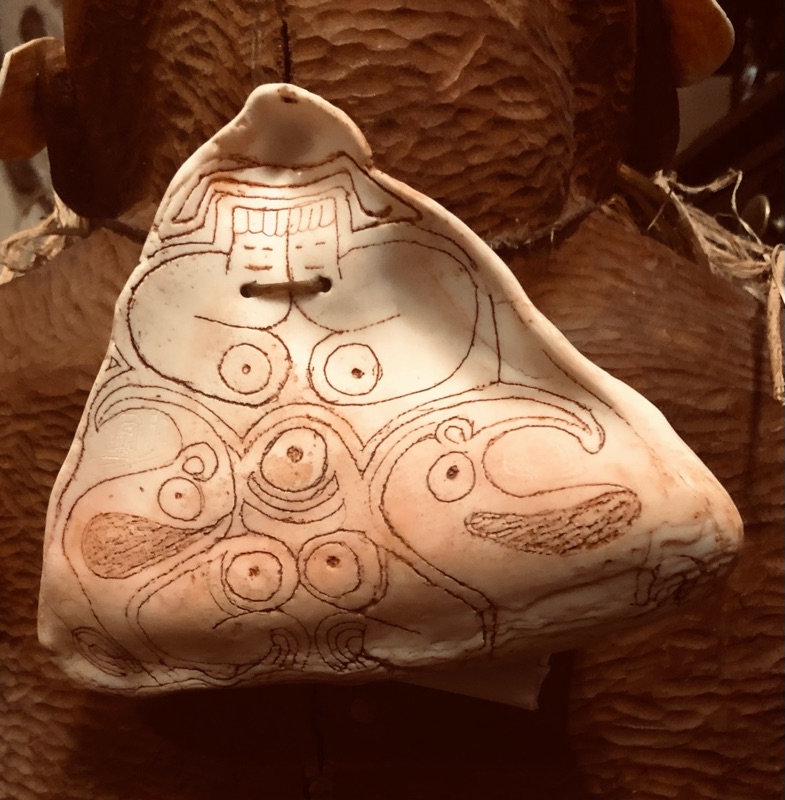



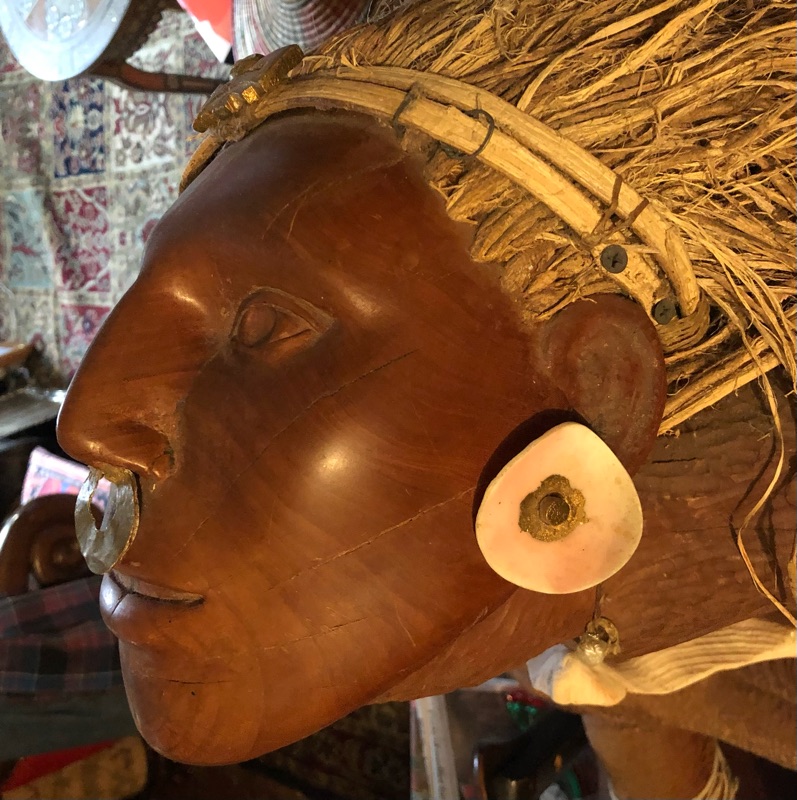
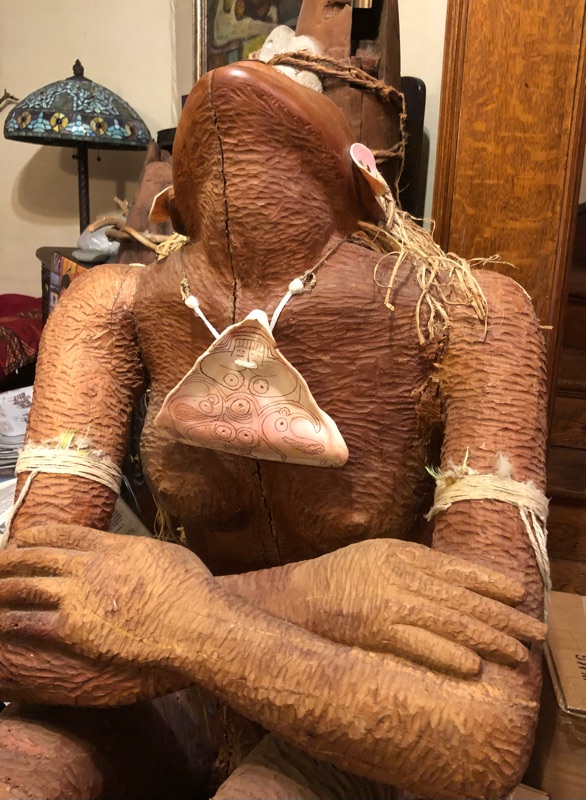
 Above: A Jamaican Maroon using the Aneng made from a cow's horn. The instrument was used for both ceremony and communication against the arriving Brirish from their retreats to which enslaved Africans had fled from the sugarcane plantations, and welcomed by the Yamaye